From cherry to cup: how coffee is made
From Seed to Cup: The Journey of Coffee
Every morning, millions of people around the world enjoy a cup of coffee. But how often do we stop to think about the journey that coffee has taken before it reaches us?
That journey can span farms, communities, processing facilities, traders, exporters, roasters and cafés—and sometimes several countries and continents.
At Source Travel, we believe that understanding this journey can change the way we experience something as familiar as our morning coffee.
It all begins with a plant
Coffee starts as a seed.
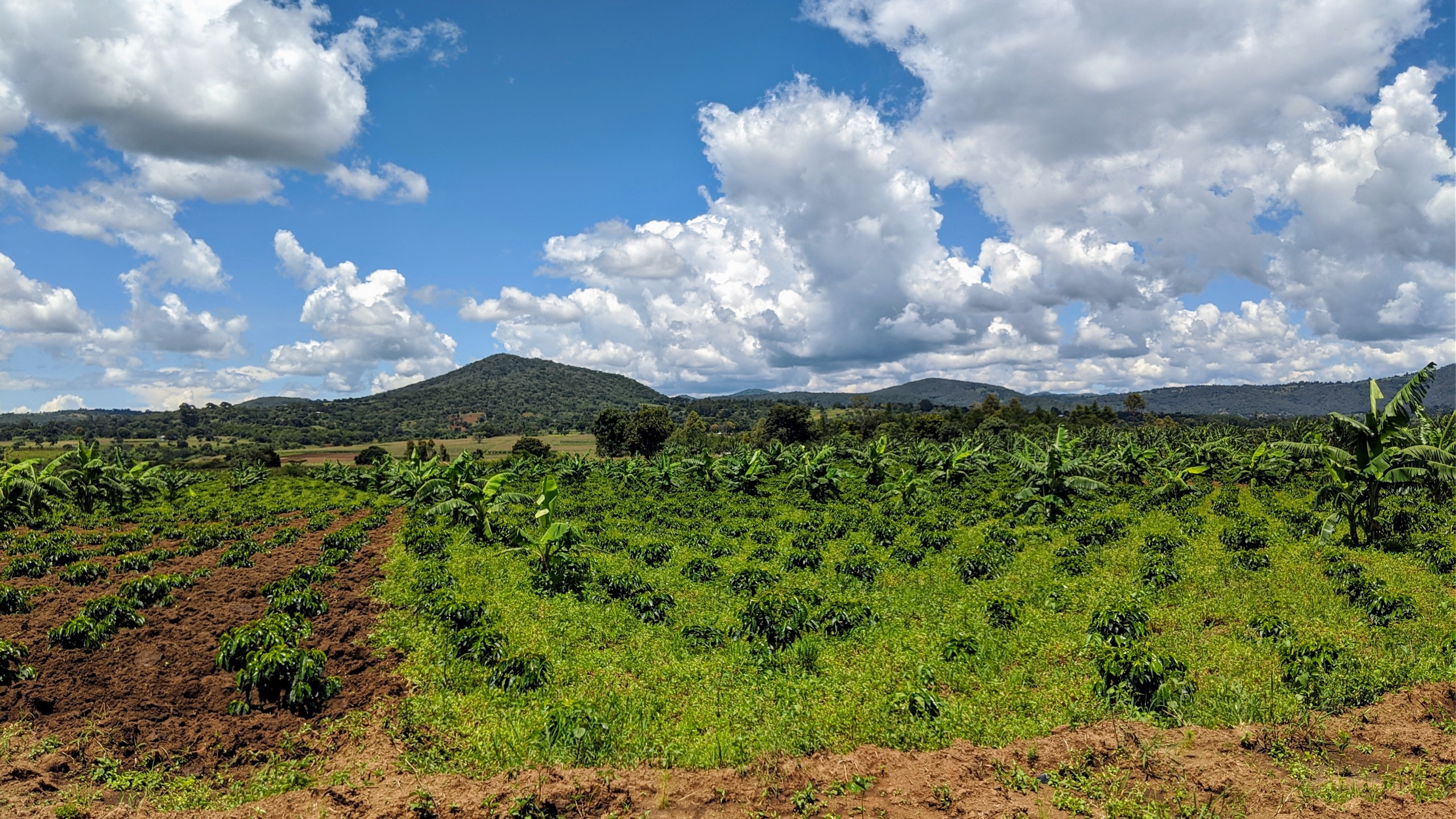
Coffee plants grow in tropical regions around the world, with different varieties suited to particular climates, elevations and growing conditions. A young coffee plant can take several years before it begins producing fruit suitable for harvesting.
The fruit of the coffee plant is called a coffee cherry. When the cherries ripen, they are harvested—often by hand.
This is where the story of coffee begins to become a story about people.
Harvesting: where people meet the plant
Coffee harvesting can be highly labour-intensive. Depending on the region and production system, ripe cherries may be selectively picked by hand or harvested using other methods.
For coffee-growing communities, harvest season can be an important period of work and economic activity.
When you visit a coffee-growing region, you begin to see something that is easy to miss when drinking coffee thousands of kilometres away: coffee is not simply a commodity. It is the result of people working with land, climate, knowledge and time.
From cherry to coffee bean
Picking the coffee cherry is only the beginning.
The fruit needs to be processed so that the coffee seed—the part we eventually recognise as the coffee bean—can be separated from the surrounding layers.
There are several processing methods. Traditional dry processing allows the whole cherry to dry before the outer layers are removed, while wet processing removes much of the fruit before the beans are dried. Other approaches, including honey processing, are also used in different coffee-producing regions.
The processing method matters because it can influence the characteristics of the coffee that eventually reaches the consumer.
Milling, grading and preparing for trade
Once the coffee has been dried, further processing takes place.
The beans are hulled to remove remaining layers, then graded and sorted. At this stage, what began as fruit on a coffee plant has become green coffee that can be traded and transported.
The coffee may then move through different actors in the supply chain before reaching a roaster.
This is one of the fascinating aspects of the coffee value chain: the product changes, but so does its context. What begins as an agricultural product becomes a traded commodity and eventually a consumer product.
From green bean to roasted coffee
Green coffee is not yet ready for your coffee machine.
Roasting transforms the green beans and develops many of the aromas and flavours associated with coffee. Roasters use different temperatures, durations and profiles depending on the characteristics they want to bring out in the beans.
The coffee is then ground according to how it will be brewed.
And finally, after all those stages, it becomes the coffee in your cup.
A long journey in a small cup
Think about that the next time you drink coffee.
A cup of coffee represents a remarkable chain of activities: growing, harvesting, processing, drying, milling, grading, trading, transporting, roasting, grinding and brewing.
And behind those activities are people—farmers, farm workers, processors, traders, exporters, roasters, baristas and many others.
That is what makes the coffee value chain so interesting to us at Source Travel.
We don't just want travellers to see beautiful coffee-growing landscapes. We want them to understand what happens there, meet the people who make coffee possible, and experience some of the stages of the journey themselves.
Imagine picking coffee cherries during harvest, learning how they are processed, sitting down for a meal with a farming family, and then enjoying a cup of coffee knowing where it began.
That is the value of travelling along the value chain.
You have seen the world. Now understand it.
Source. We have drawn on the following source for background information on the coffee journey from seed to cup: A. Weiss, “What Is Coffee? A Basic Explanation From Seed to Cup,” Perfect Daily Grind, January 19, 2016. Read the original article on Perfect Daily Grind.
← Back to the blogGet in Touch
Get in touch
Questions about a destination or a trip? Send us a note.
hello@source.travel